
Skip to content

STUDENT CRIME STOPPERS
TAKE A STAND AGAINST CRIME!

KEEPING THE PROMISE,
KEEPING OUR SCHOOLS SAFE

Student crime stoppers logo v3 11292025
Hays County Student Crime Stoppers can help PREVENT potentially dangerous and illegal activity from taking place at school. Reports of bullying, cyberbullying, self-inflicted harm (suicide), vandalism, sexual misconduct, stolen property, drugs, and weapons can all be reported through the tip lines. Student Crime Stoppers has created a way to overcome fear and apathy by paying cash rewards and guaranteeing anonymity.

Providing students with an opportunity to help their school, community, and peers by discreetly reporting suspicious behavior or criminal activity allows students to proactively become part of the school safety solution and ensure that youth who are at risk receive the services they need.


By guaranteeing a caller's anonymity, Campus Crime Stoppers allows the caller to give information in a positive, anonymous atmosphere without the prospect of retribution. By offering cash rewards for information leading to arrests, the program encourages otherwise reluctant callers to provide information.

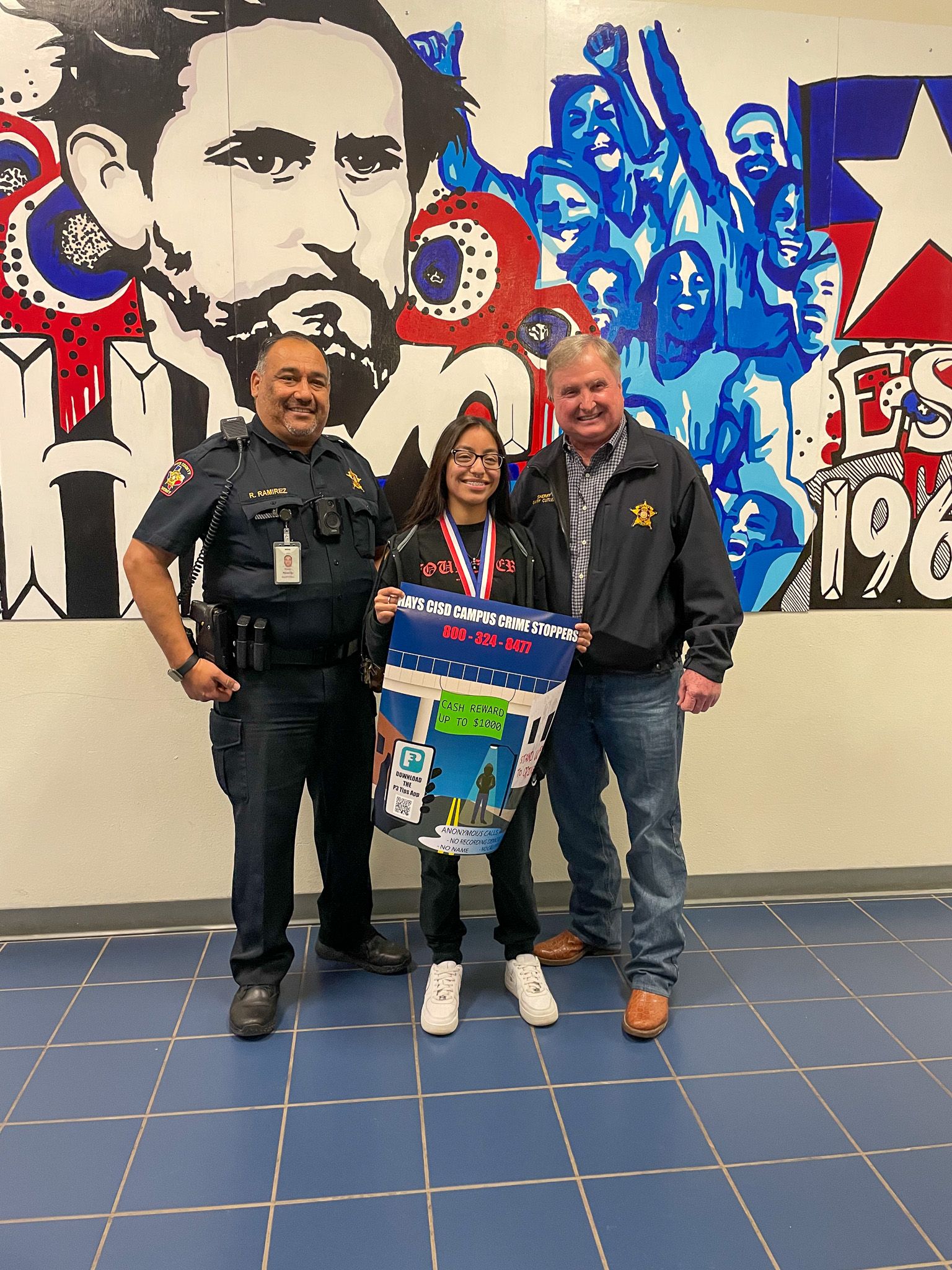
Calls are received at the Hays County Crime Stoppers tips line (1-800-324-8477). This phone line does not provide caller ID, and conversations are not recorded. The Crime Stoppers Law Enforcement Coordinator/SRO, receiving the information, completes the tip information form, makes initial inquiries, and then passes the information to the appropriate campus/officer.

Campus Crime Stoppers and David's Law

209 2098636 no bullying logo trump is a bully sticker

Anonymous Bullying Reporting – David’s Law (SB 179)

On June 9, 2017, Governor Greg Abbott signed Senate Bill 179, commonly known as David’s Law, to address bullying and cyberbullying in Texas schools. One requirement of the law is that school districts establish procedures for reporting bullying, including a way for students to report incidents anonymously.

Each school district is responsible for creating and enforcing its own bullying reporting and investigation procedures. To support these efforts, Crime Stoppers of Hays County offers its anonymous reporting resources to students and schools throughout Hays County.


How Students Can Report Bullying Anonymously

Students attending Hays County schools may anonymously report incidents of bullying by using:
Crime Stoppers encourages students to provide as much detail as possible about:
  • The incident
  • The individual(s) involved
  • The school where it occurred

Crime Stoppers does not want to know the identity of the person submitting the tip and never collects identifying information. All bullying tips are forwarded to the appropriate school for review and follow-up, while the tipster’s anonymity is fully protected.
 

Rewards for Bullying Tips

While the primary intent of David’s Law is to stop bullying and protect students, Crime Stoppers may pay a cash reward for anonymous information related to bullying incidents. To be eligible for a reward, all of the following must apply:
  • The tipster must contact Crime Stoppers directly
  • The information must be previously unknown to the investigating school administrator or law enforcement
  • The information must assist a school or law enforcement agency in addressing the bullying incident
  • The offender must be arrested or administratively disciplined as a result of the information provided
  • The tipster must remain anonymous
Learn More About David's Law Submit a Tip

TOGETHER WE MAKE A DIFFERENCE

Revised patch
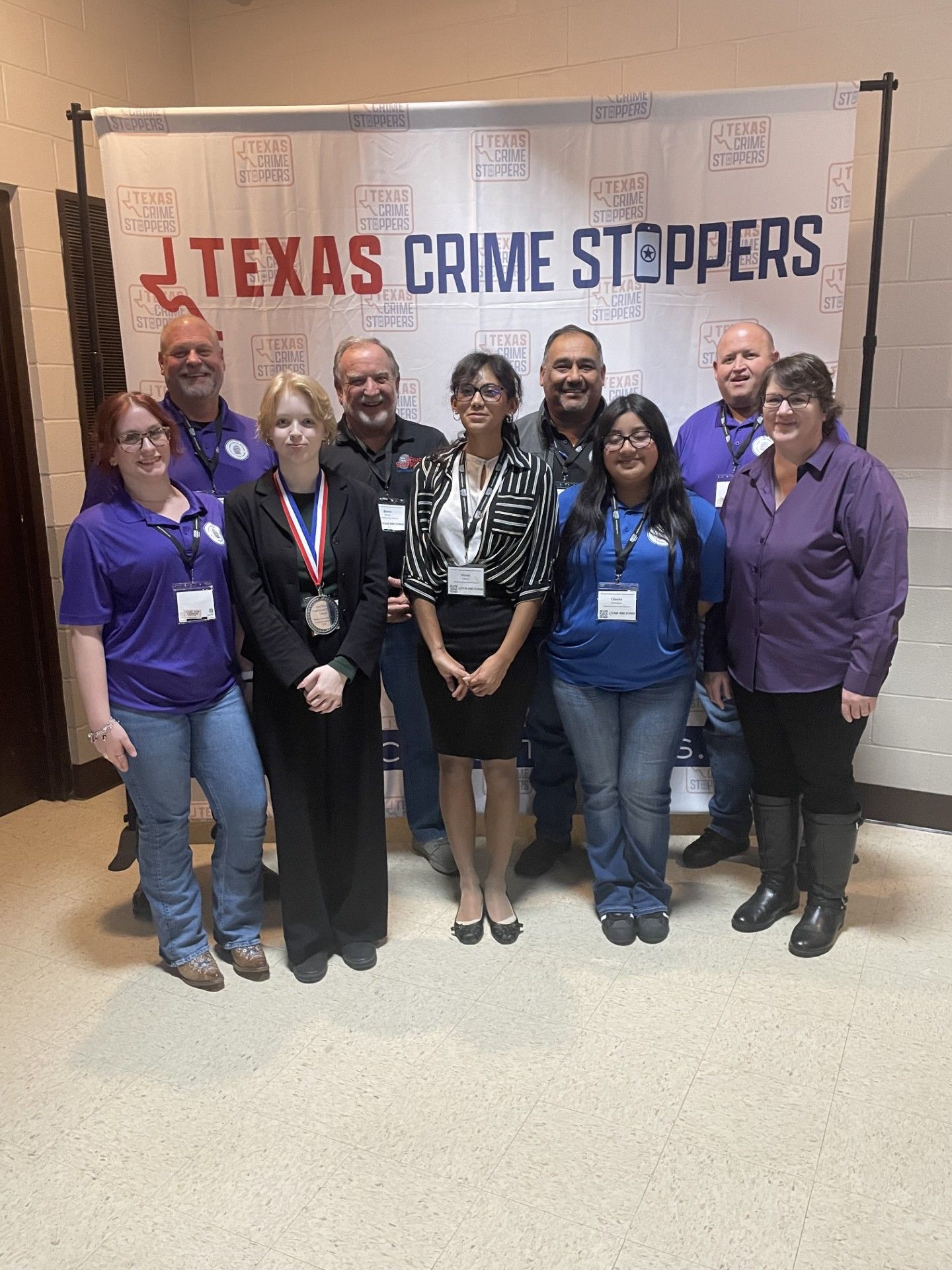
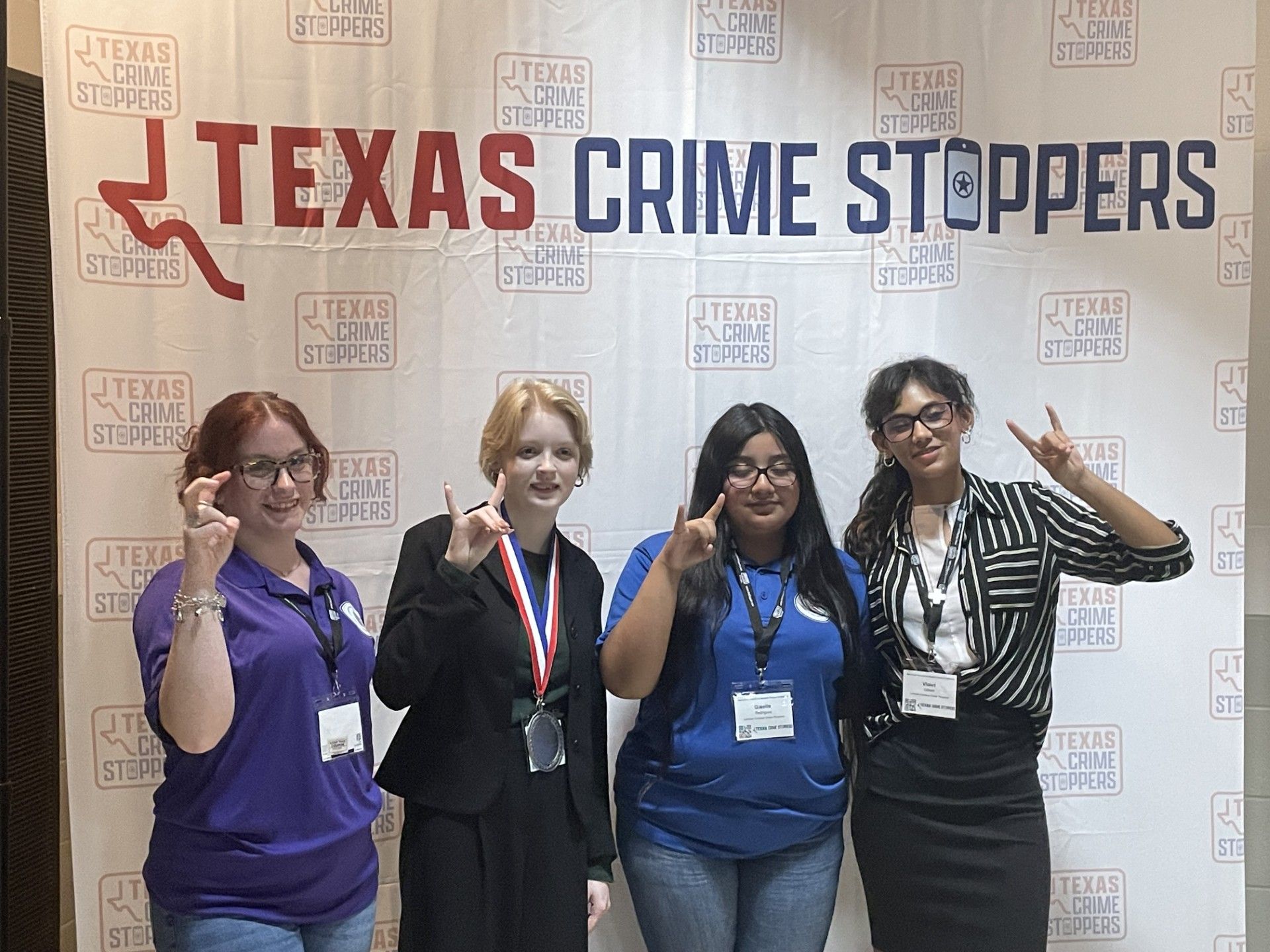
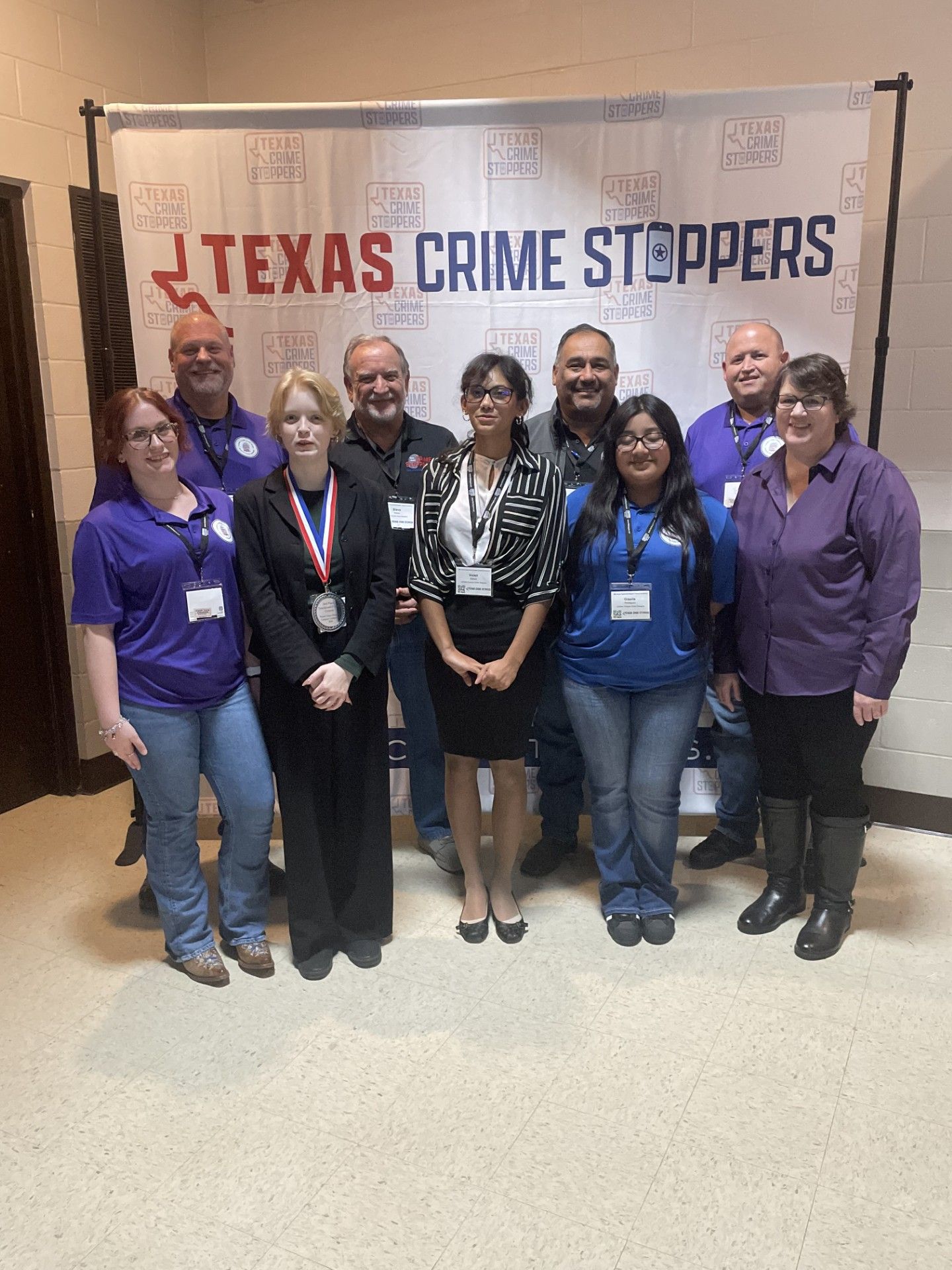
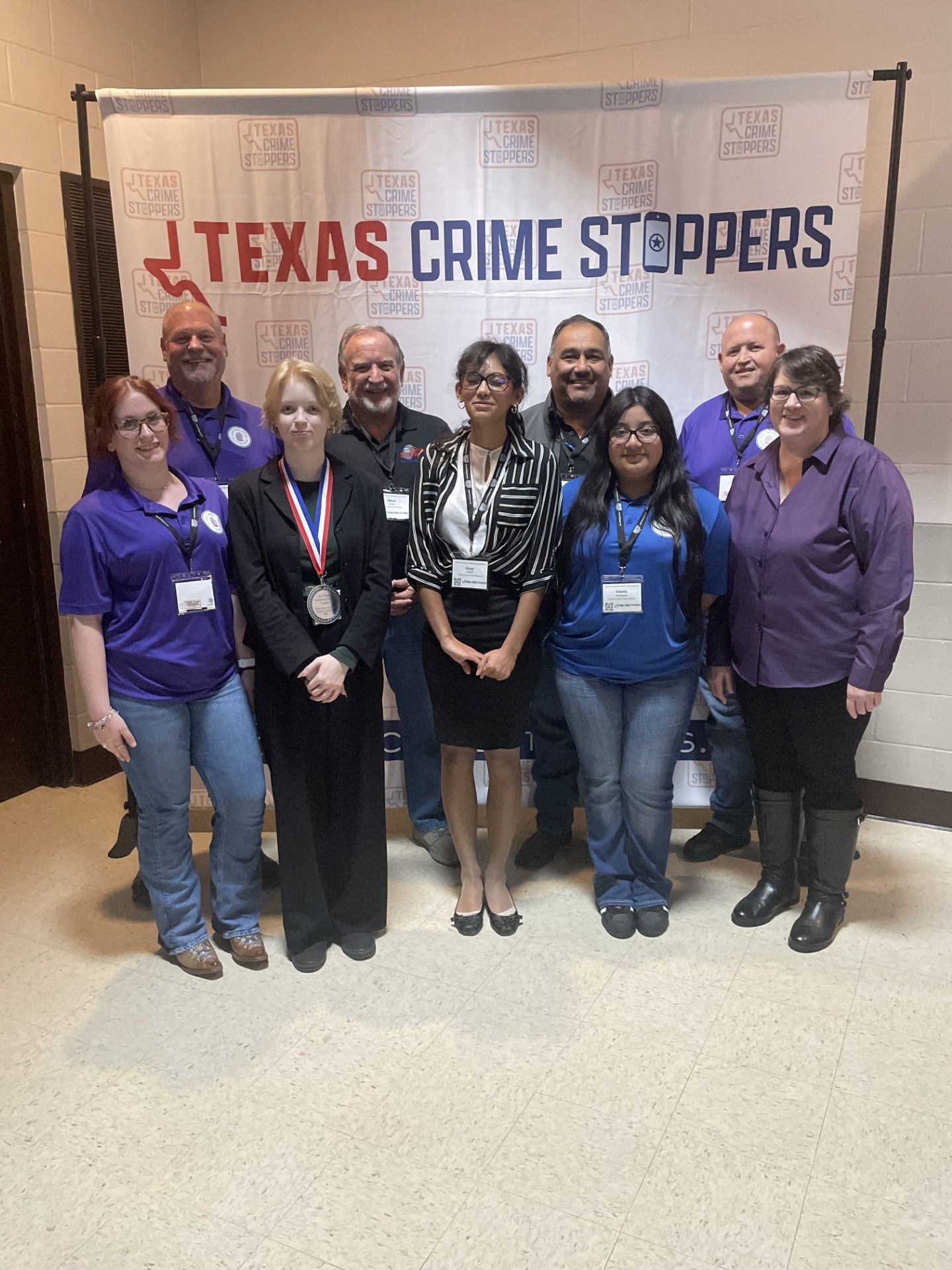
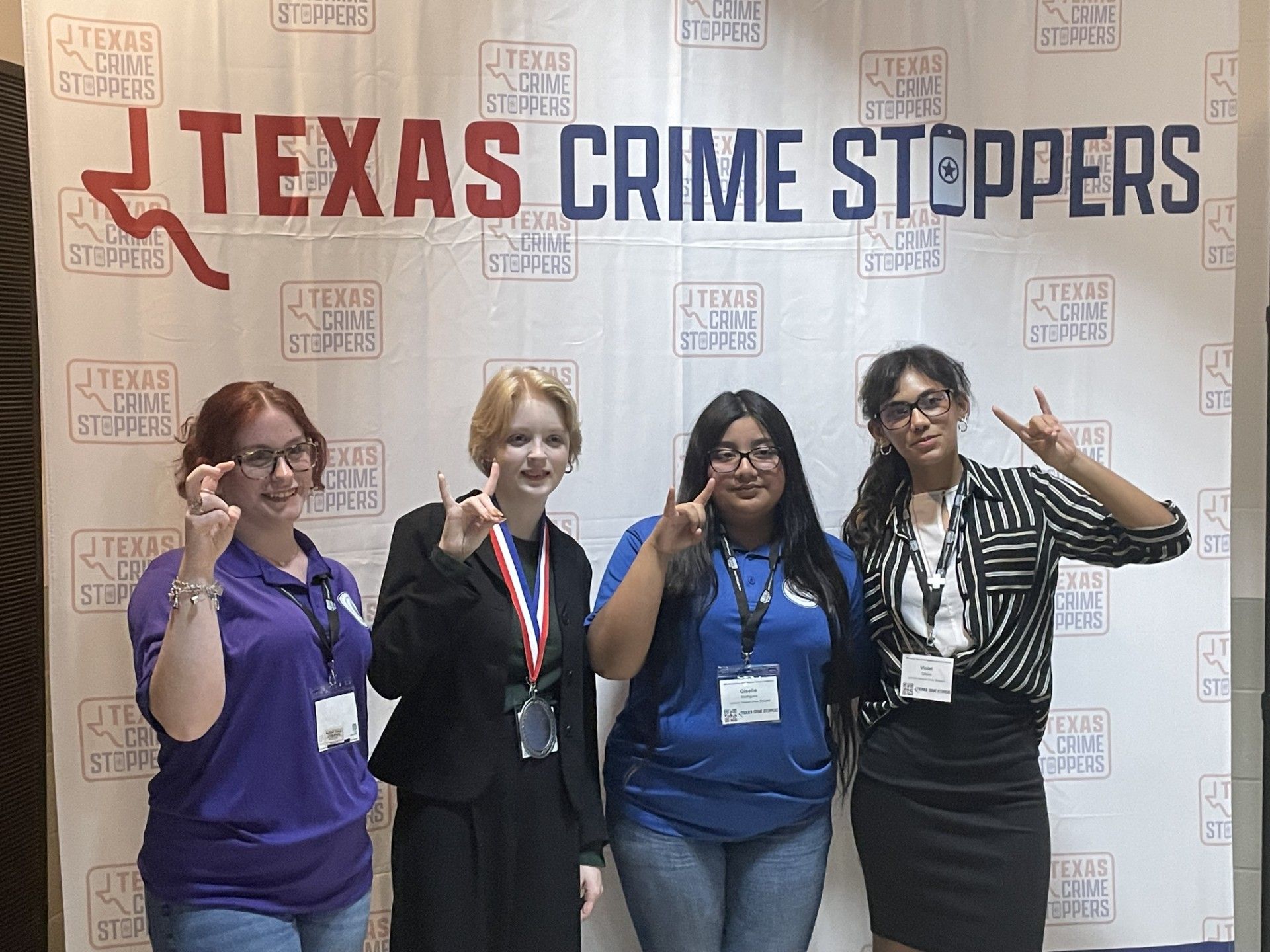
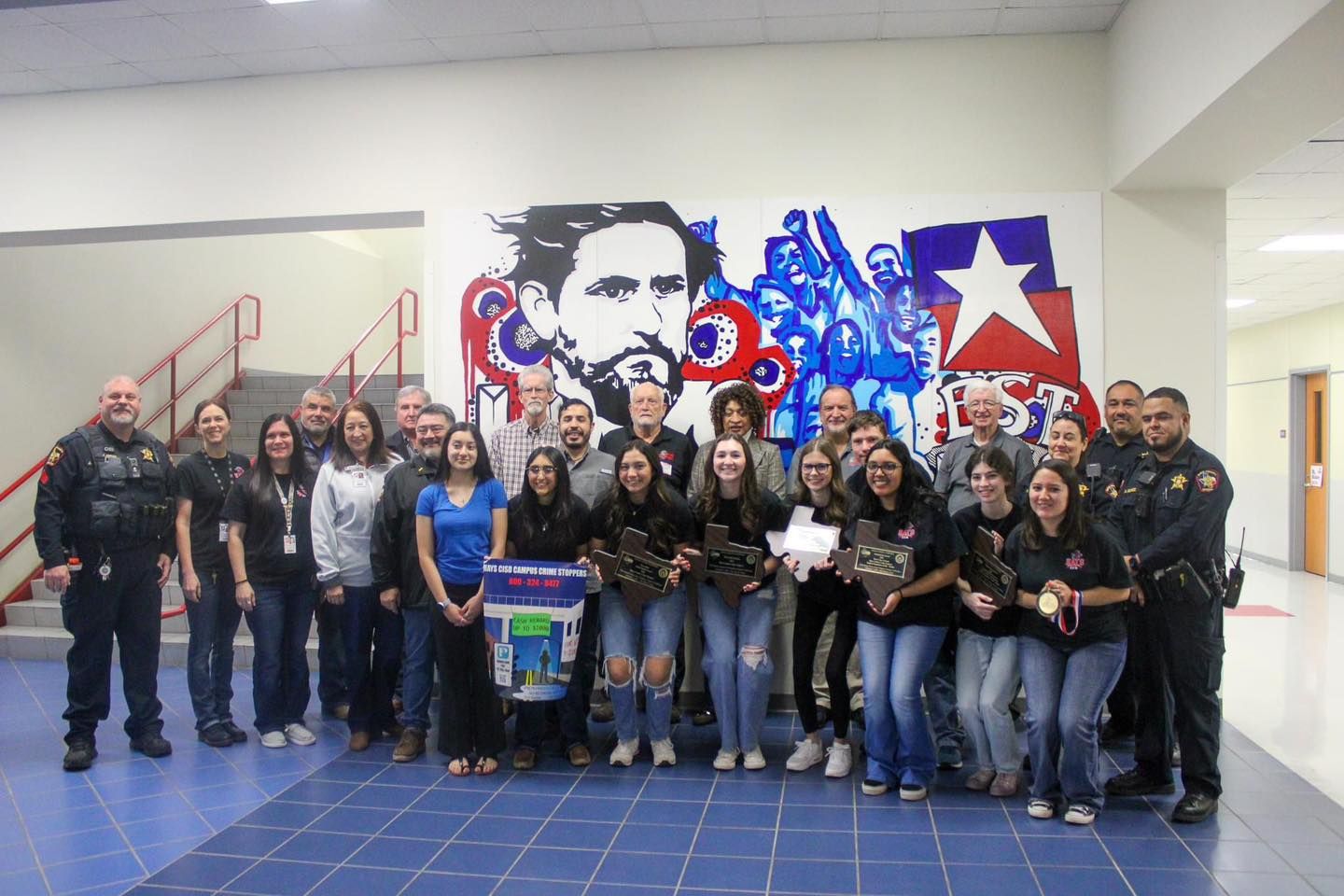
Hays County Crime Stoppers is proud to have students involved with the Student Crime Stoppers programs from Johnson High School, Lehman High School, and San Marcos High School.

The Hays County Student Crime Stoppers Program is open to students from any middle school or high school in Hays County, Texas.

Frequently Asked Questions (FAQs)

Here are some frequently asked questions regarding the Student Crime Stoppers Program.

1. What is Student Crime Stoppers?

Revised patch
Student Crime Stoppers is a program that encourages students to report crime, threats, and unsafe behavior anonymously to help keep schools safe.

2. What kinds of tips should be reported?

Tipline
Students can report information about:
  • Weapons on campus
  • Threats of violence or self-harm
  • Drugs or alcohol on school grounds
  • Bullying, cyberbullying, or harassment
  • Theft, vandalism, or graffiti
  • Planned fights or gang activity
  • Any behavior that could put students or staff in danger

3. What’s the difference between tipping and snitching?

Blame 4
Tipping
  • Anonymous
  • Done to prevent harm or keep people safe
  • You are not involved in the incident
  • You don’t confront anyone or testify
  • Information goes to Crime Stoppers, not directly to other students
  • Your identity is never revealed

Example: Reporting a threat, weapon, or bullying because someone could get hurt.

Snitching
  • Not anonymous
  • Often happens after getting caught yourself
  • Usually done to avoid trouble or blame someone else
  • Can involve confronting or identifying people
  • May put the person reporting at risk

Example: Pointing fingers during an investigation to save yourself.


Bottom Line

Tipping isn’t about getting someone in trouble — it’s about stopping something bad before it happens. It’s a way to look out for classmates, teachers, and yourself without being pulled into the situation.
 
  • Tipping = protecting people.
  • Snitching = protecting yourself.

If something feels wrong, unsafe, or dangerous, speaking up anonymously is the right move.
Image

4. Do I have to give my name?

No. Tips are submitted anonymously. You are not required to give your name, phone number, or any identifying information. Your anonymity is protected by law.
Anonymous

6. Will anyone know it was me?

No. Crime Stoppers DOES NOT record caller ID, IP addresses, or personal data. Your identity is protected. Your anonymity is protected by law.

7. Can I get in trouble for submitting a tip?

Ss prepopulated 19
No—as long as the tip is made in good faith. False reports made intentionally could result in school discipline or legal consequences.

8. What happens after I submit a tip?

Mccs how it works
The tip is forwarded to school officials or law enforcement for review and follow-up. Not every tip results in immediate action, but all tips are taken seriously.

9. Can students receive rewards?

Reward
Yes. If a tip leads to an arrest, helps prevent a crime, or results in student administrative discipline, the tipster may be eligible for a cash reward—without revealing their identity.

10. Is Student Crime Stoppers the same as calling 911?

911 clipart emergency sign 10
No. Student Crime Stoppers is not for emergencies. If there is an immediate danger, students should call 911 or notify a trusted adult right away.

11. Who runs Student Crime Stoppers?

Crime stoppers logo v3 11292025
Student Crime Stoppers programs are typically operated by local Crime Stoppers organizations in partnership with schools and law enforcement.

12. Why should students use Student Crime Stoppers?

Tips
Because speaking up can:
  • Prevent violence
  • Protect classmates and staff
  • Stop bullying and crime
  • Help create a safer school environment

13.  What if I’m not sure my information matters?

Say it here 3
If something feels wrong, report it. Let authorities decide—your tip could prevent serious harm.

PROUD PARTNERS WITH OUR
LOCAL SCHOOL DISTRICTS

Partnering with our local school districts, Hays County Crime Stoppers brings the opportunity to campuses and students to engage, educate, and empower students, faculty, and staff into becoming outstanding stewards for their respective campuses.  We could not do any of this without the support of San Marcos Consolidated Independent School District.

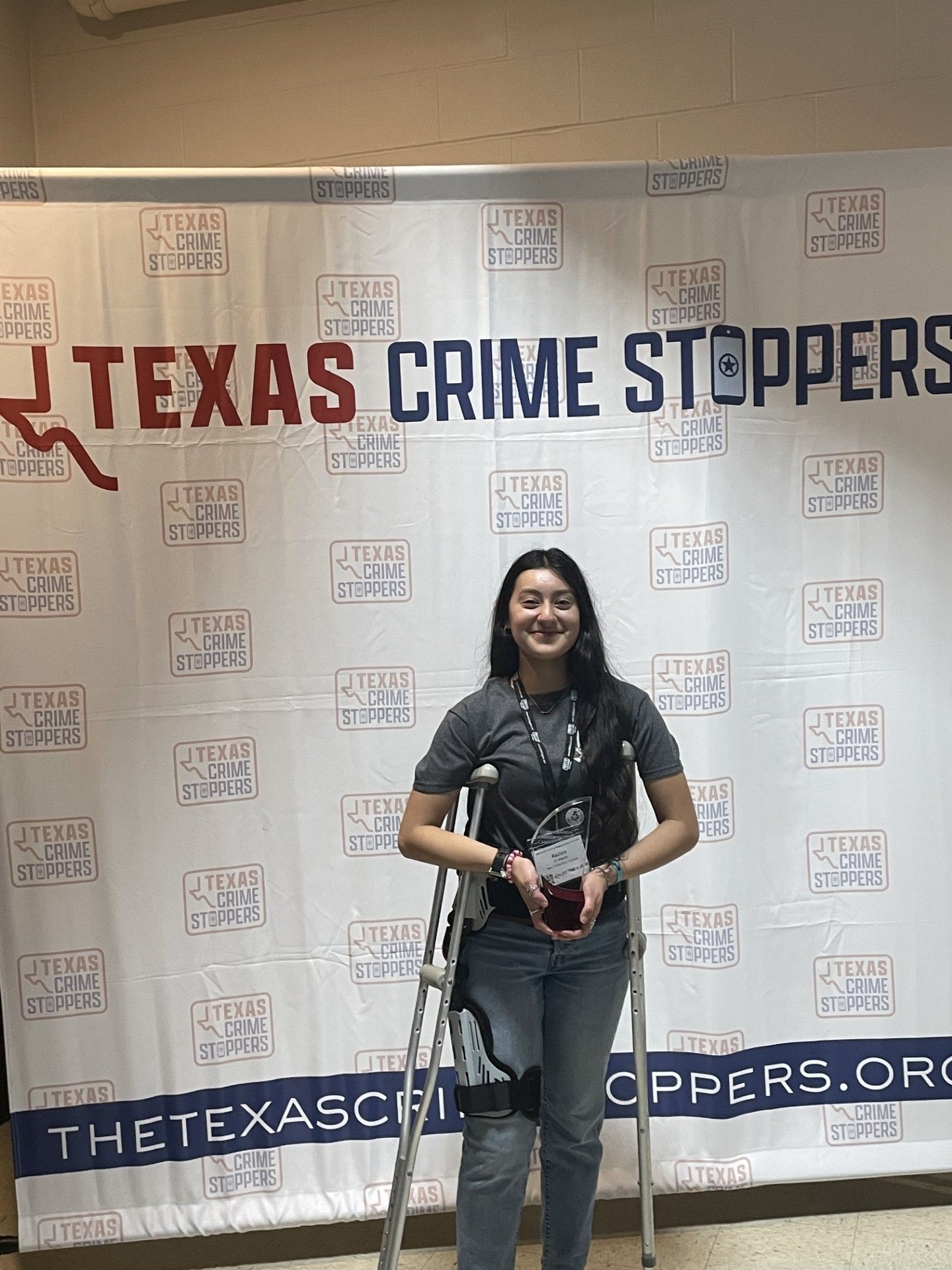
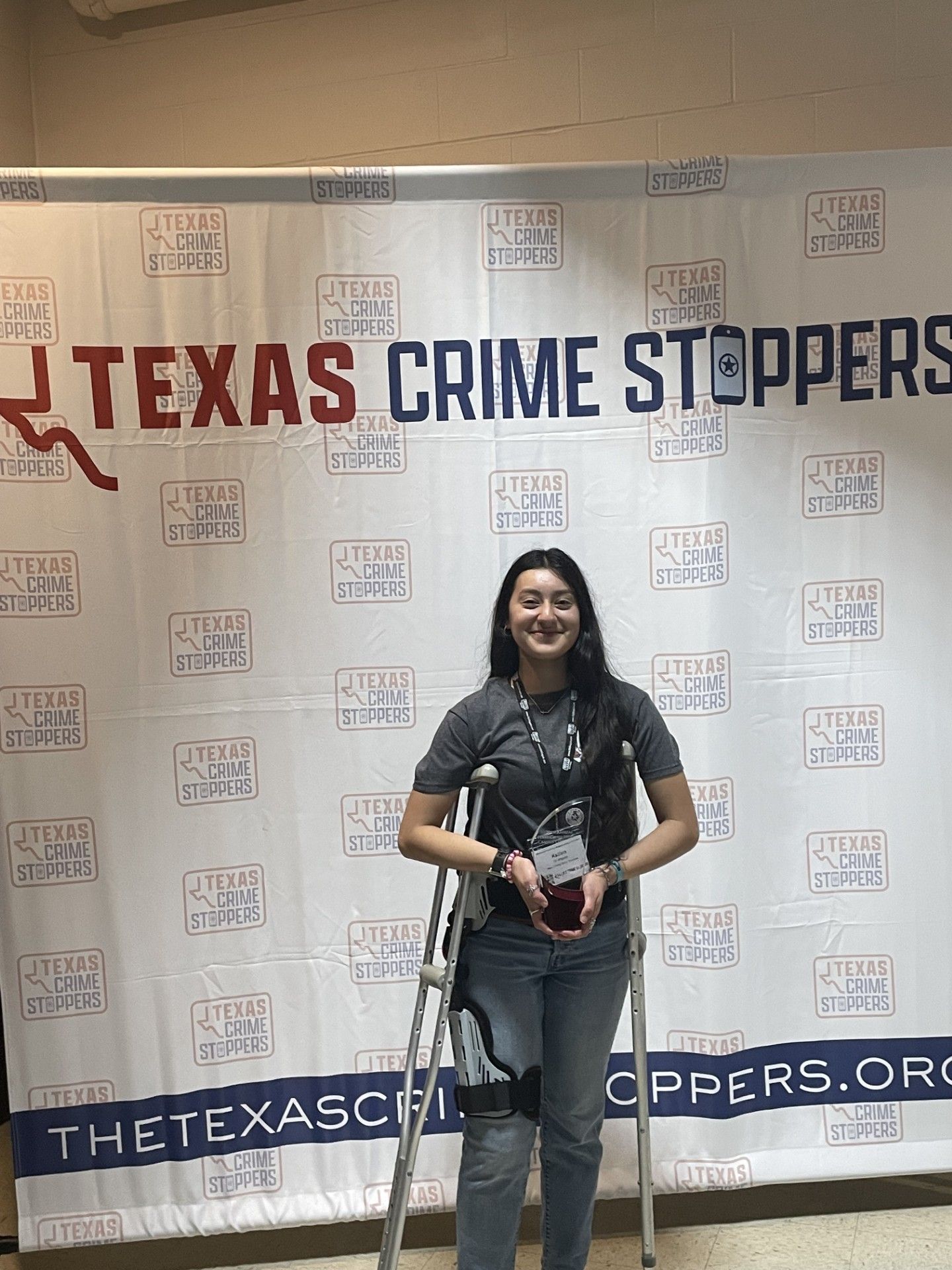
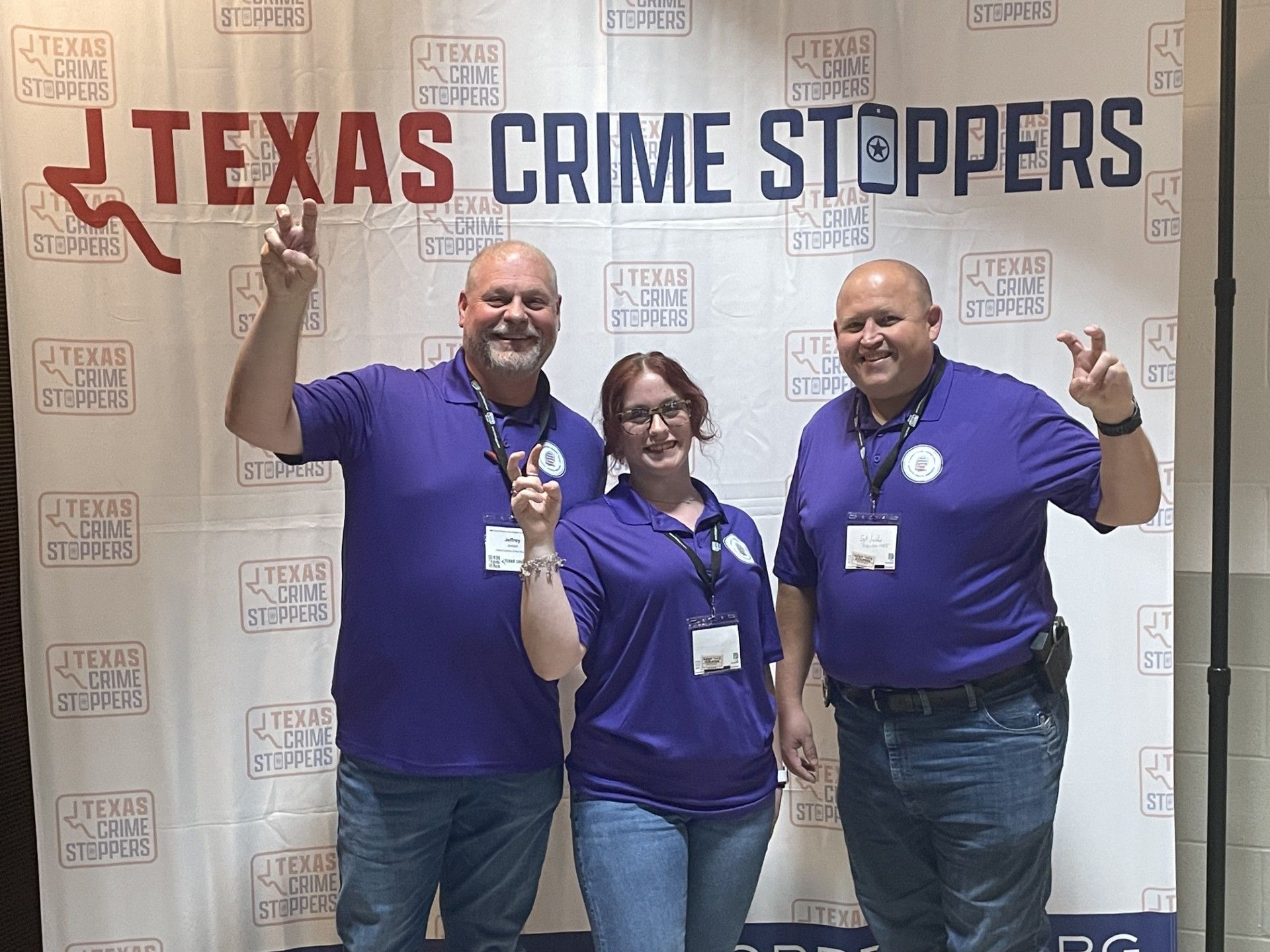
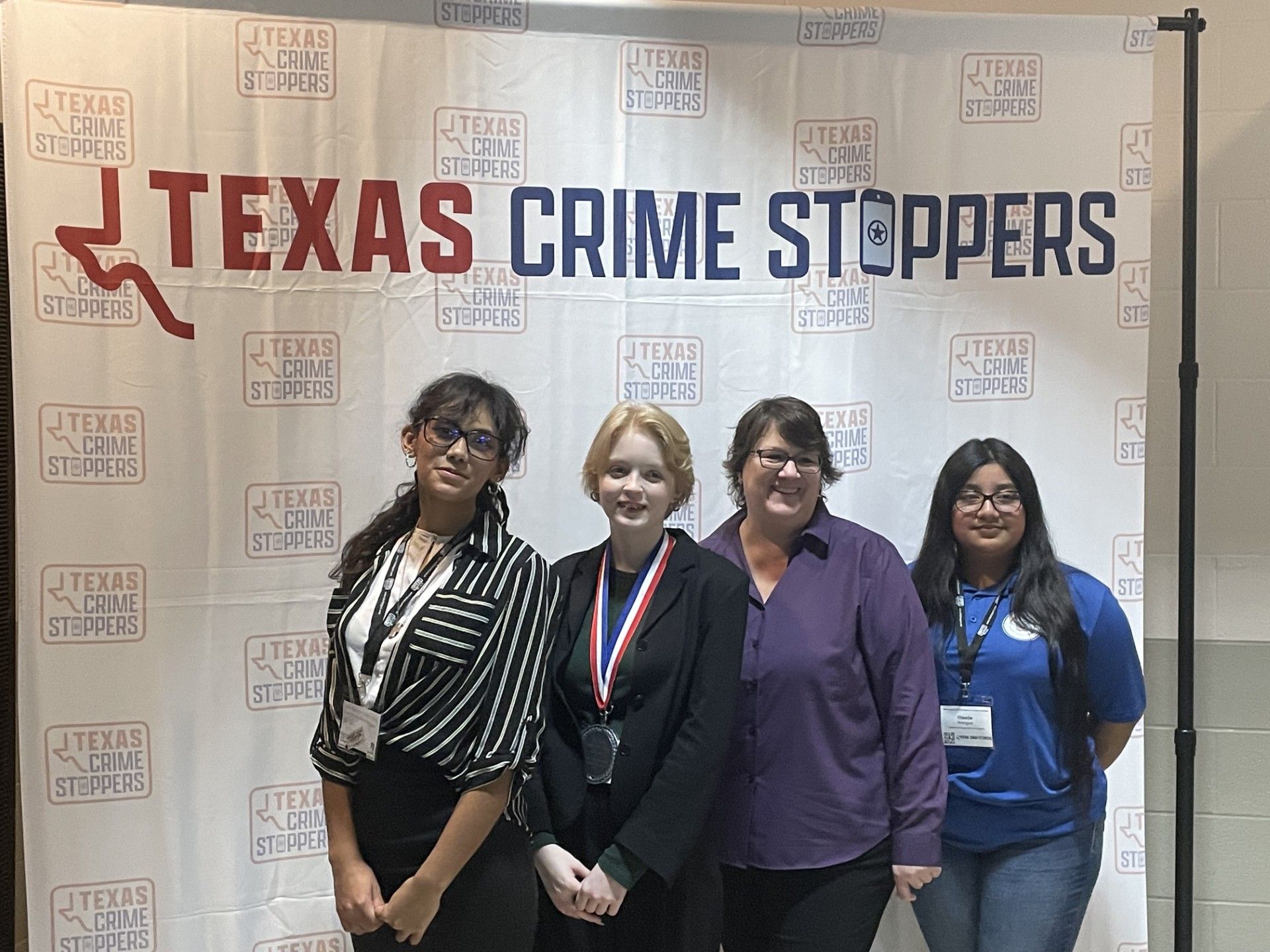
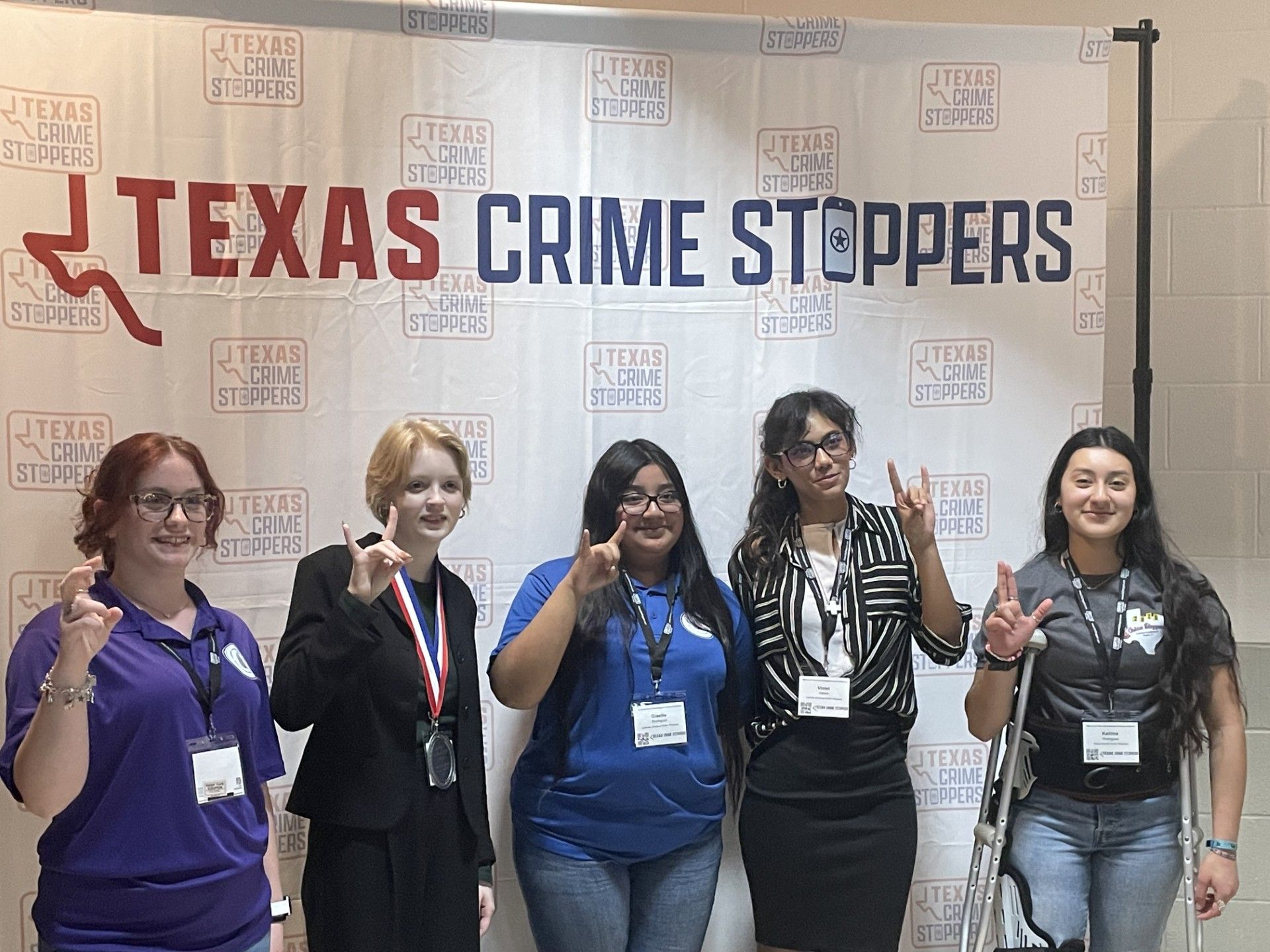
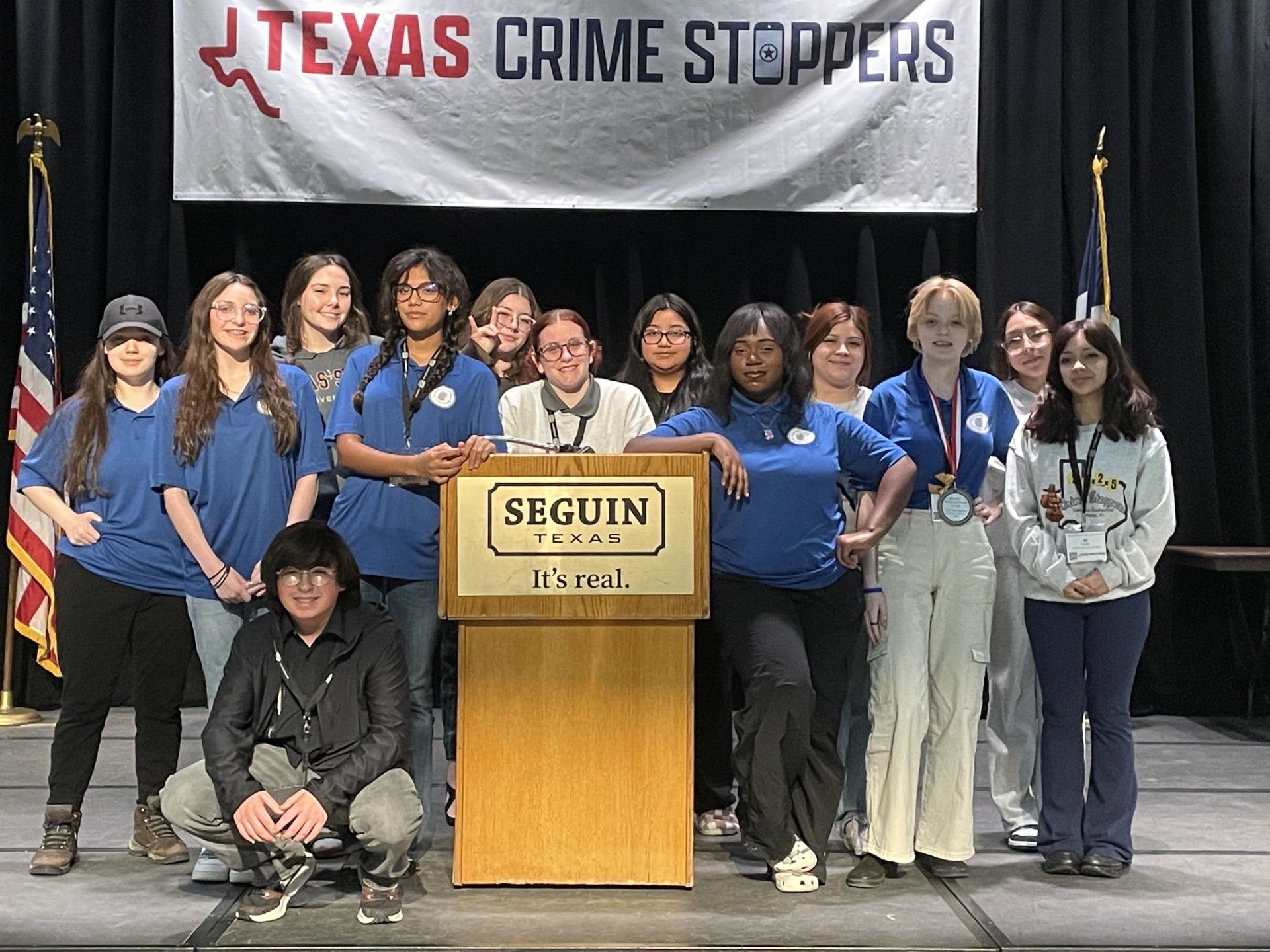
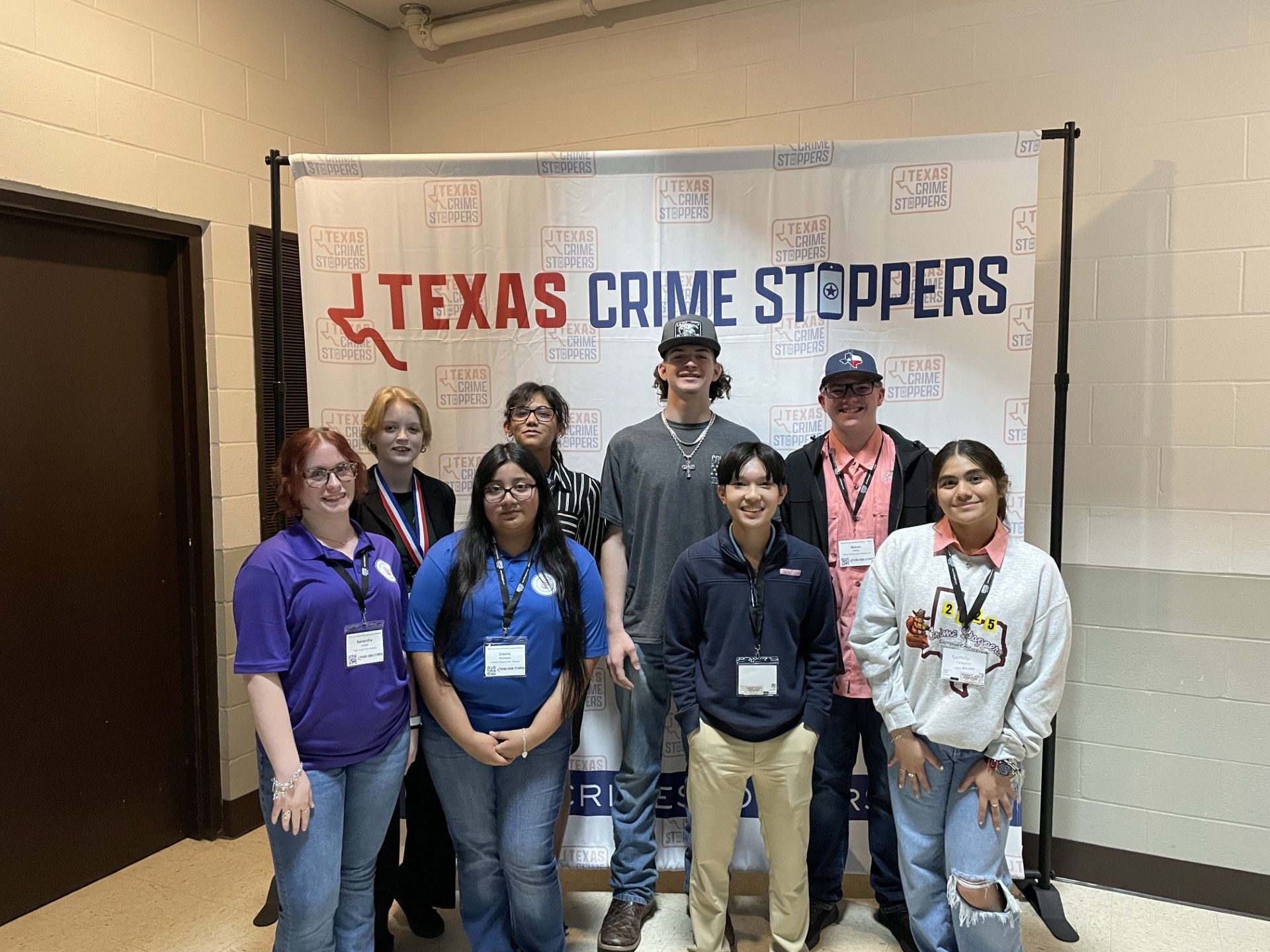
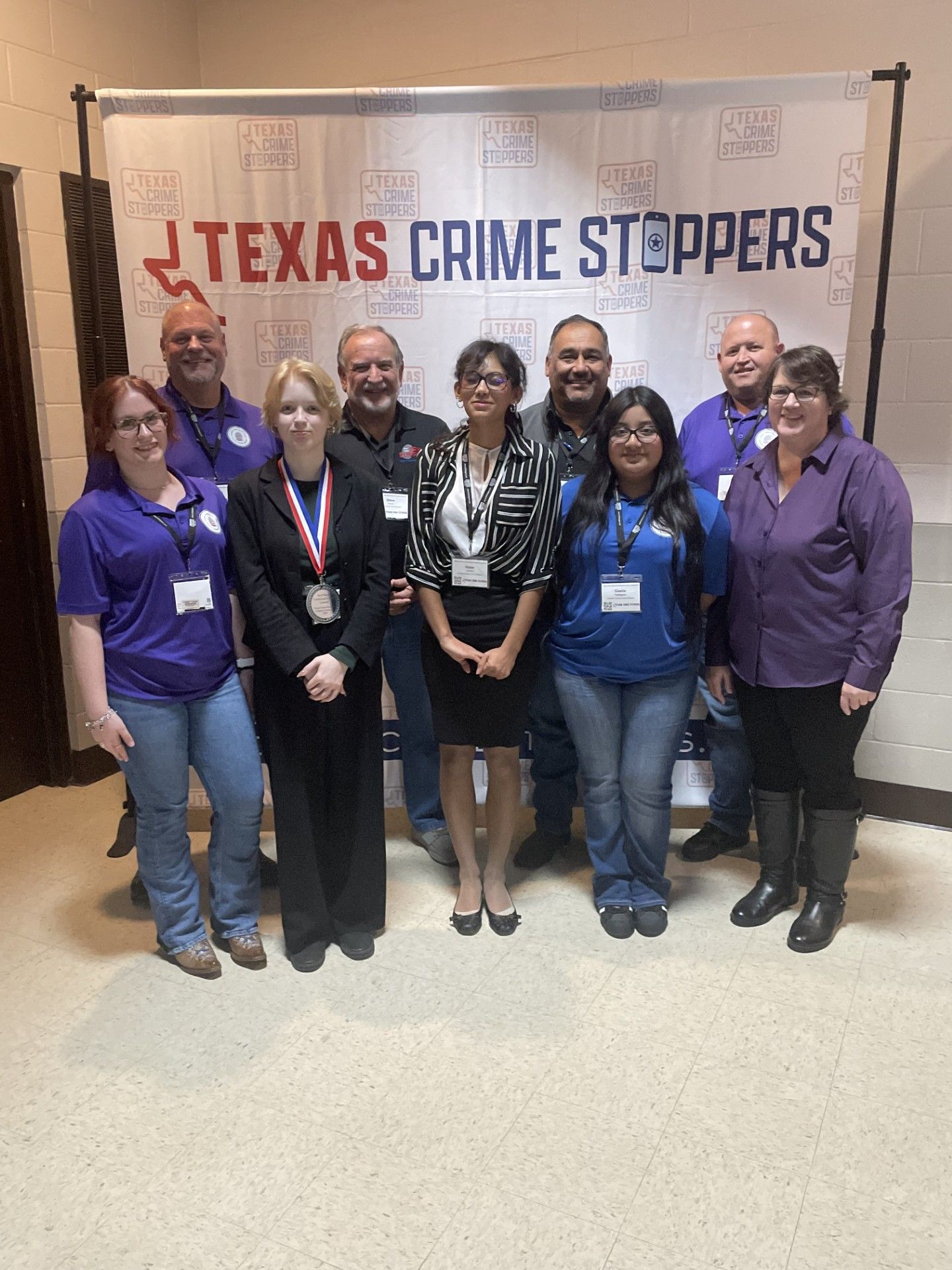
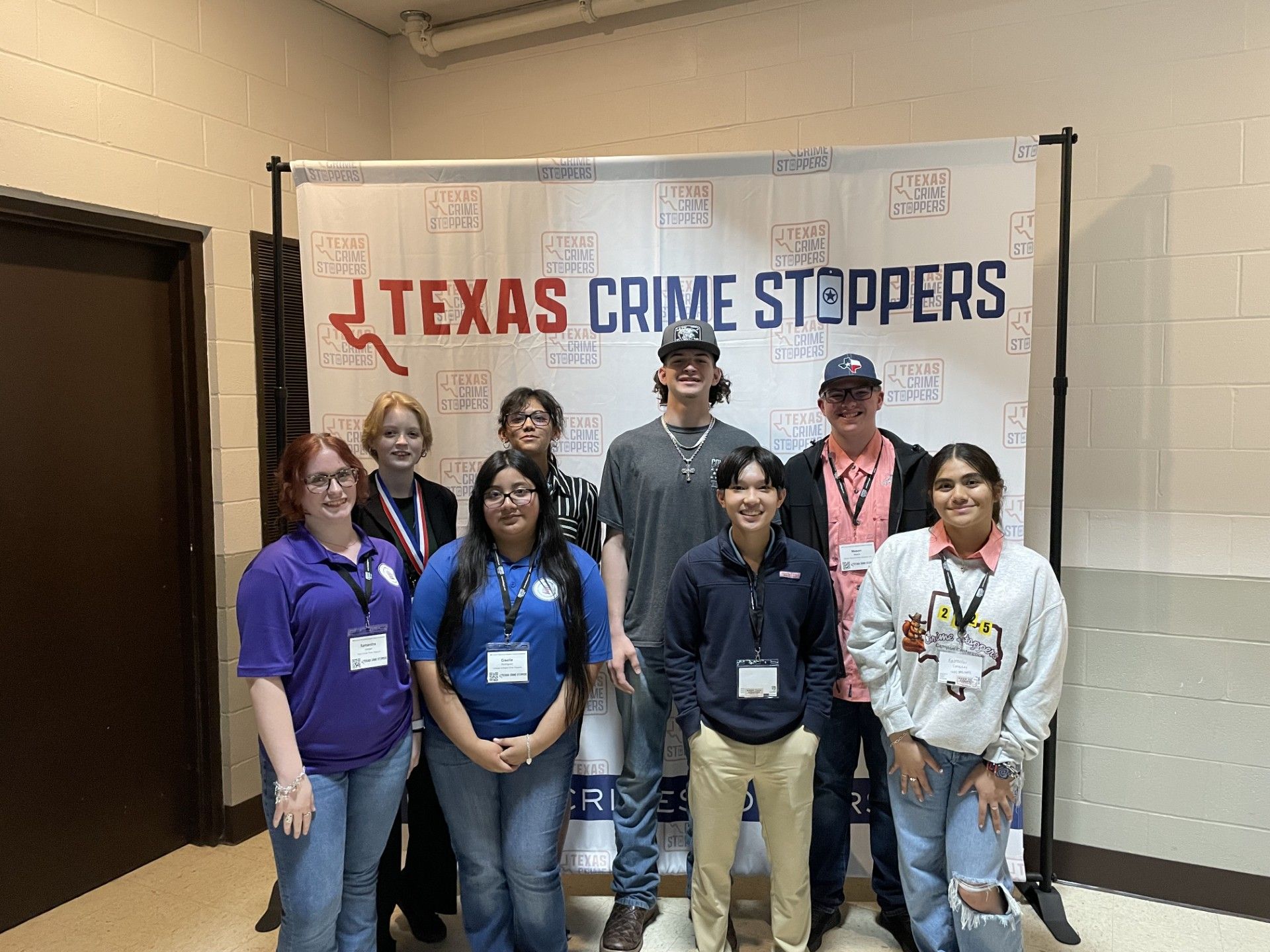
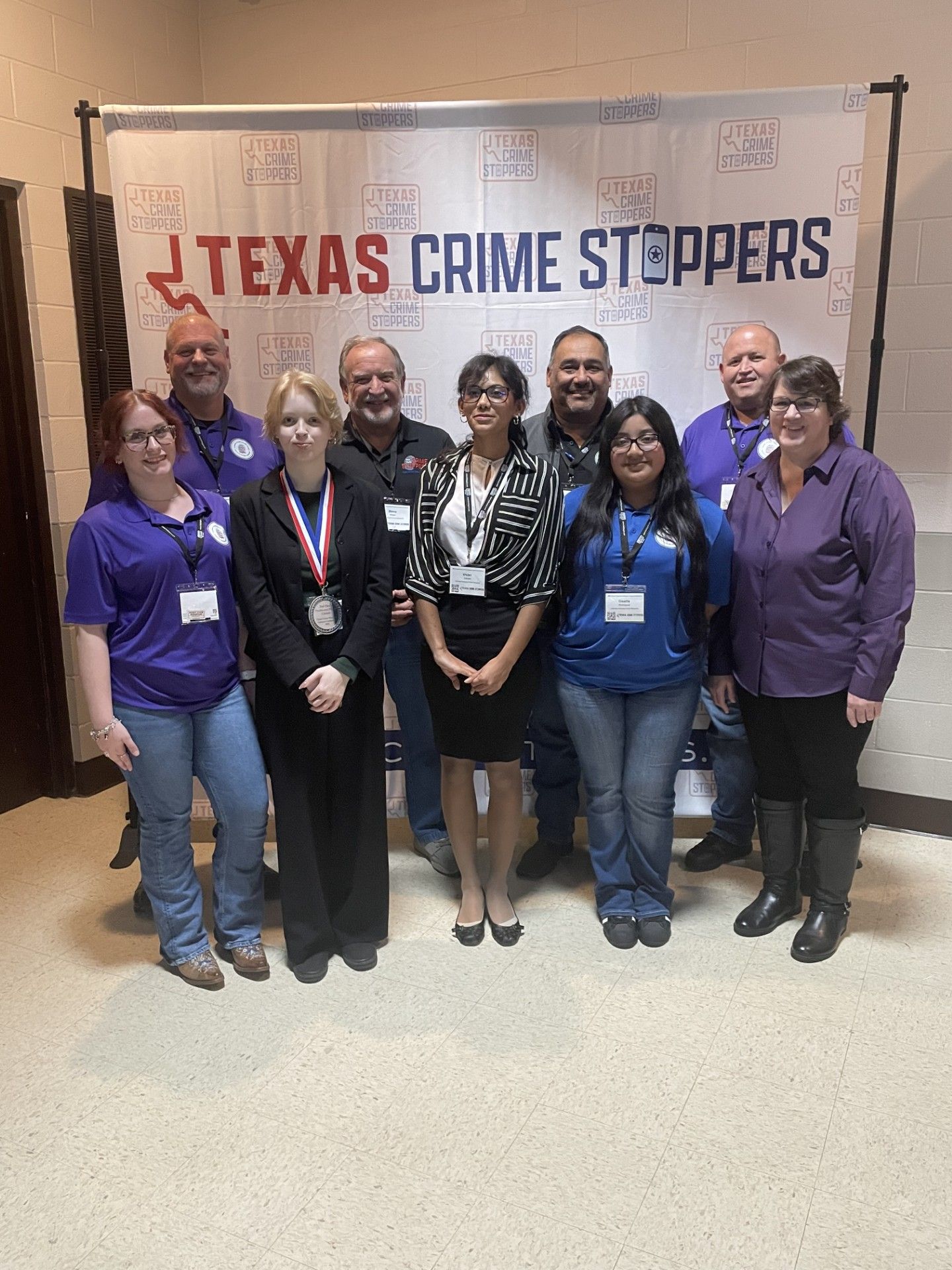
29th Annual Texas Crime Stoppers Campus Conference

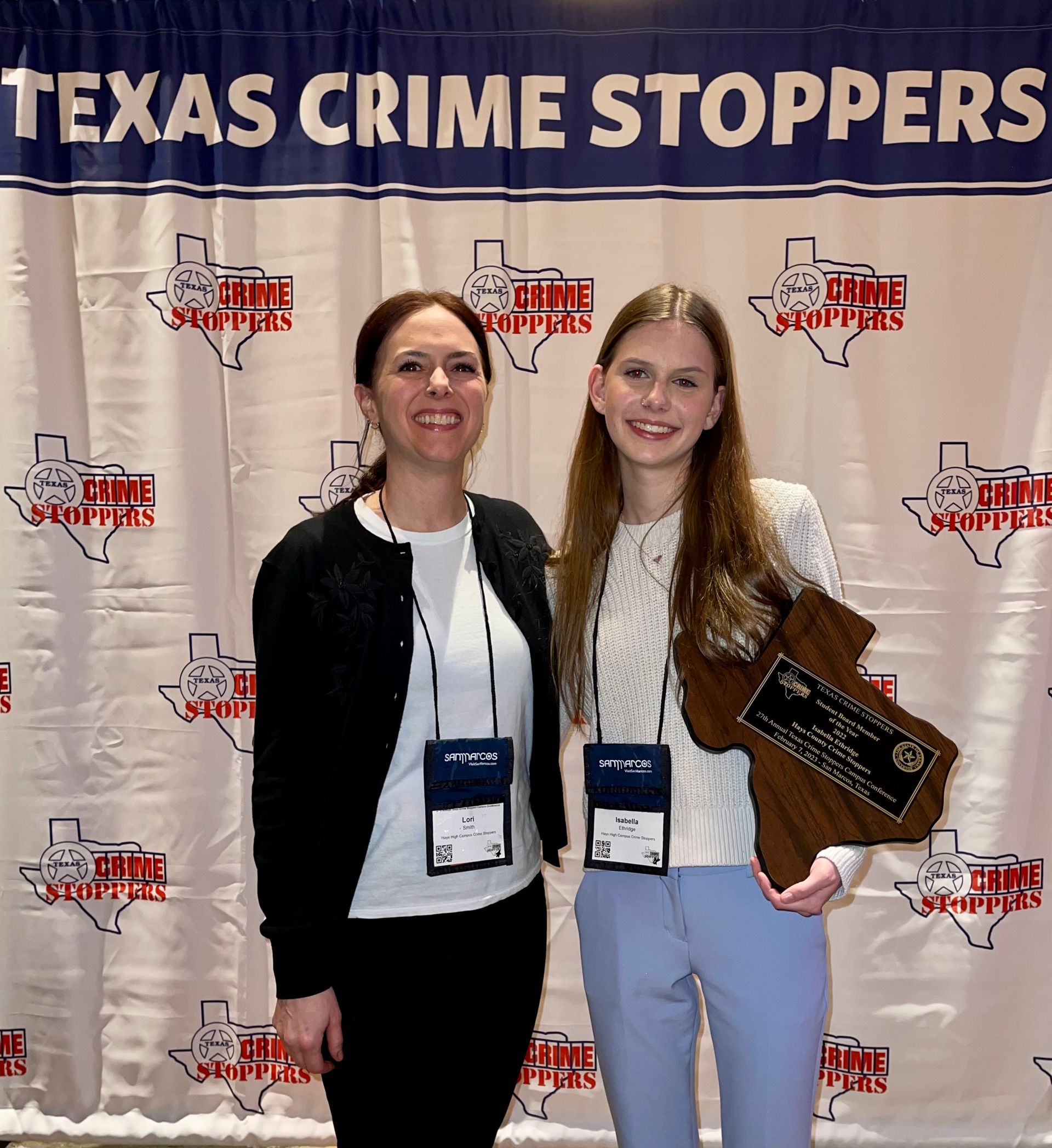
27th Annual Texas Crime Stoppers Campus Conference

Fentanyl Awareness

DEA Fentanyl Awareness
Stop fentanyl now

Fighting Fentanyl: The Crisis

In Part 1, Episode 1 of “Fighting Fentanyl: The Crisis,” we introduce Hays CISD audiences to the local fentanyl crisis in our community. It opens powerfully with the tragic story of Kevin McConville who would have been a senior at Lehman High School, Class of 2023. However, just two weeks before the start of his senior year, he died from a suspected fentanyl overdose - never knowing it was fentanyl he took. Additionally, this video showcases first responders and their work on the front lines.

Fighting Fentanyl: Help is Here

In part 2 of the Hays CISD Fighting Fentanyl video series, audiences learn more about the crisis and learn how to reach out for help for themselves, a loved-one, or a friend. Additionally, the video discusses signs of fentanyl use. Hear from those on the front-lines of the fentanyl fight at schools.

The message: Fentanyl is here. We need to talk about fentanyl. And, fentanyl is deadly.

Fighting Fentanyl: Signs and Symptoms

As the fight against fentanyl continues, understanding what the effects of fentanyl use might look like can mean the difference between life and death. In this video, the third in our “Fighting Fentanyl” series, we chronicle some of the signs and symptoms associated with fentanyl use and what students, teachers and parents need to look out for.

We begin with Barton Middle School Nurse Christi Chabarria and Pediatrician Dr. Anna Lincoln, MD, FAAP, who detail some of the warning signs to look for in young people who might be using fentanyl. Chabarria also details some of the symptoms associated with fentanyl use and fentanyl overdose and how the drug affects the body.

Recognizing what can happen after a person suffers a fentanyl overdose is just as important as well. Jill Rosales, Battalion Chief and Paramedic with the San Marcos Hays County EMS, gives powerfully candid testimony on what can happen to a young person’s body following a fentanyl overdose.

Dr. Lincoln shares how vitally important it is for people, especially teenagers, to talk about mental health and reaching out for help.